Flooding is not Failure
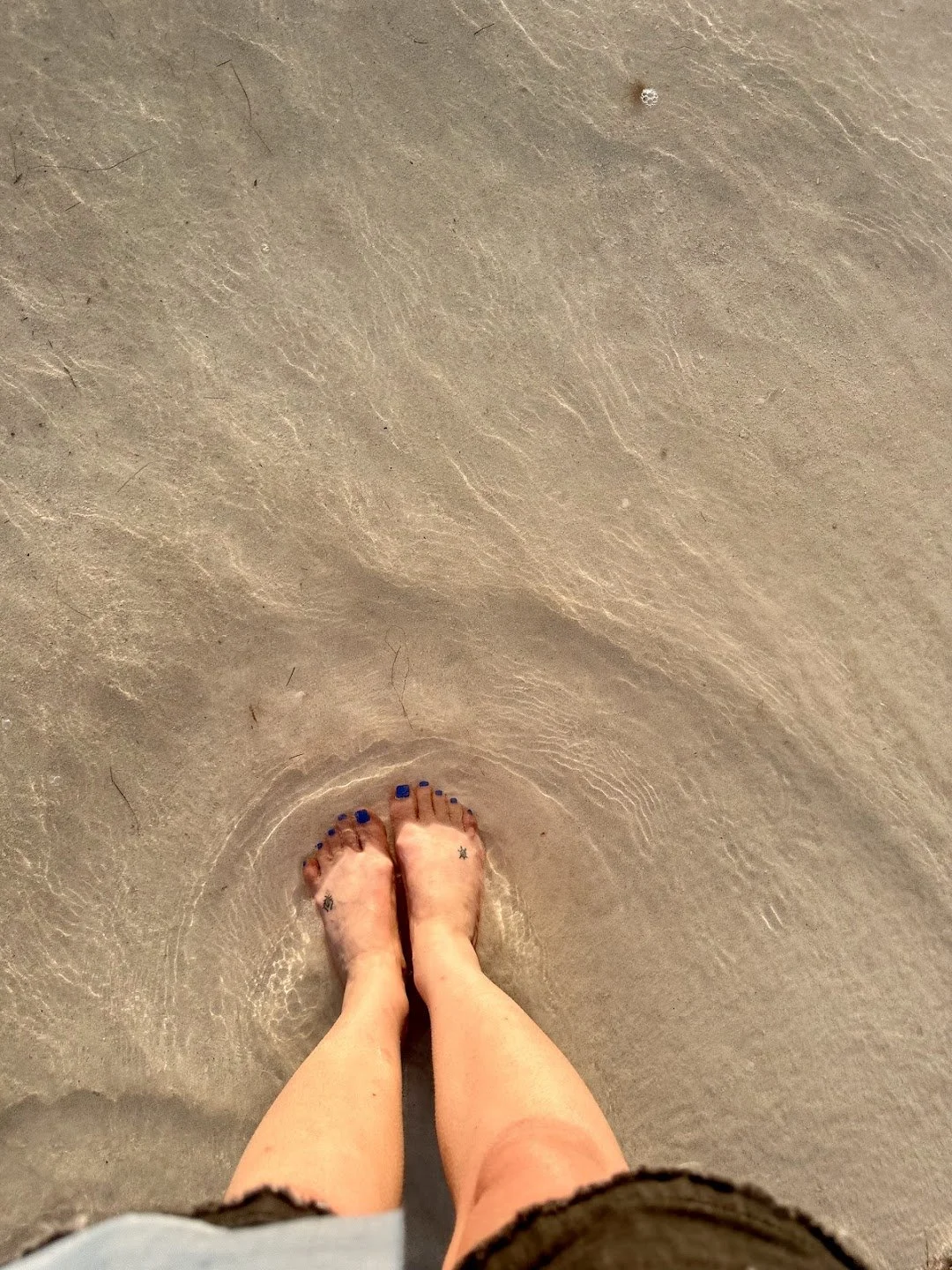
A few days after a literal flood rose in my front yard from a busted water main, I made a significant self-discovery.
Emotionally, I had also flooded.
And I had named it.
Not overwhelm. Not inconvenience. Not stress. Flooding.
Brené Brown writes about flooding in Atlas of the Heart as the moment when the nervous system overwhelms our capacity to stay relational. And yet, flooding is distinct from the system crash of overwhelm, whose information overload gives me the blue screen of death.
Flooding feels like danger. It generates heat, volatility, venom; it mobilizes fight, flight, freeze. An ancient survival response, triggered in modern contexts by complex and multi-layered emotions. For me, flooding is the moment when I feel endangered. My vision blackens. My breath shortens. My heart hammers. My body reorganizes around survival.
This is when snakebites happen.
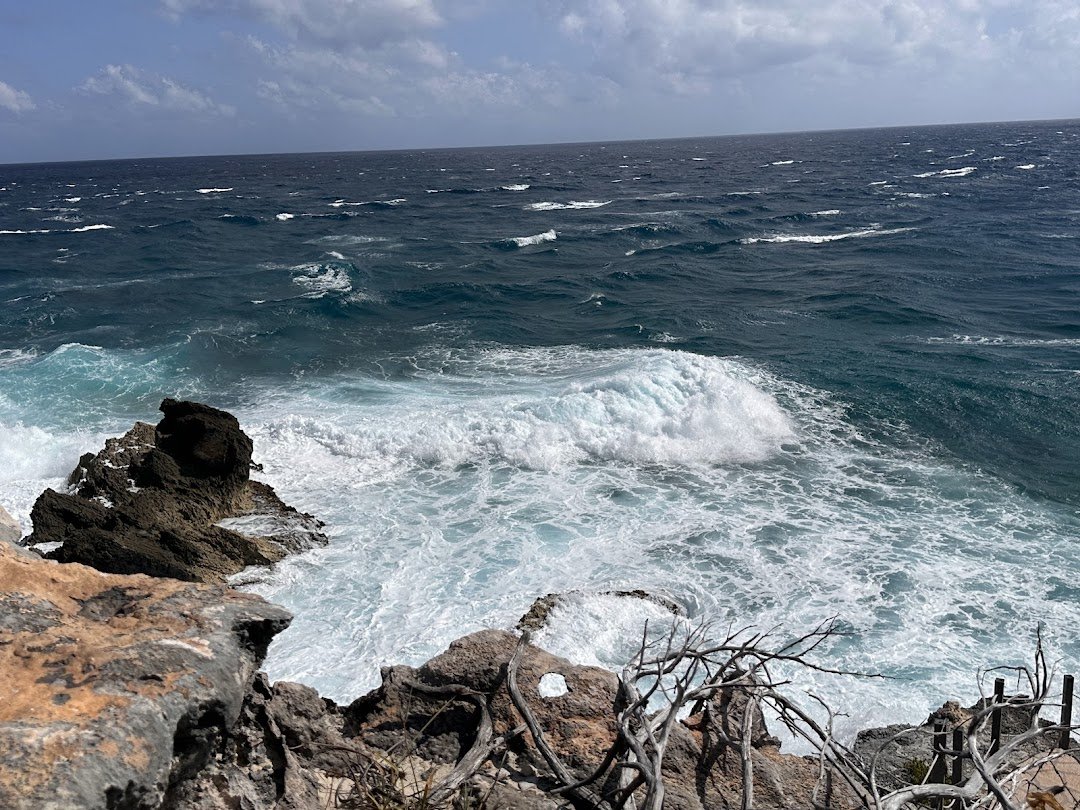
Like Brené, I am prone to a fight response: My protector-self rises too swiftly, too fiercely. I can lash out in ways that wound myself and others.
I can also shut down completely.
One mental frame for the physical sensations of flooding is that I am having a panic attack.
The morning the water main broke, my triumph was not that the flood didn’t come. It was that I recognized it. I said out loud: “I am having a panic attack. I can’t see, I’m having trouble breathing, and I’m having chest pains. I feel like I am dying, but I know I’m not.”
I sat down. I began box breathing and a 3-2-1 grounding practice — three colors, two sounds, one texture — to return to my body. As the internal floodwaters began to ebb, I drank some water and stretched out on my yoga mat to regulate myself further.
Flooding is such an intense storm that it wasn’t until days later that I could look back with some sort of awe. The awareness, the communication as a shield for my sudden vulnerability, the discernment of what I needed, the detoxification on my mat...
I would not have been capable of this much self-care, even a few bare years ago. I began to thaw, and I’m still integrating.
Beyond the eerie synchronicity of a literal flood teaching me about emotional flooding, there’s the fact that I am building a labyrinth about this very state for Emergence, a regional burn in South Carolina.
This year’s event theme is “Mythical Absurdities,” and, of the 87 different labyrinths I drew in my sketchbook to process the emotions in Brené’s Atlas, my only pattern referencing mythology portrays flooding as Medusa. This fits, I thought, for surely she’s an absurdity, unreasonable and irrational.
Before Medusa was a monster, she was a woman. Before she was serpents and stone, she was body. In some tellings of her myth, she is punished for violence done to her. Poseidon rapes her in Athena’s temple; Athena punishes her further for the sanctuary’s violation.
Medusa is transfigured; her hair into a seething swirl of snakes, her gaze to petrification.
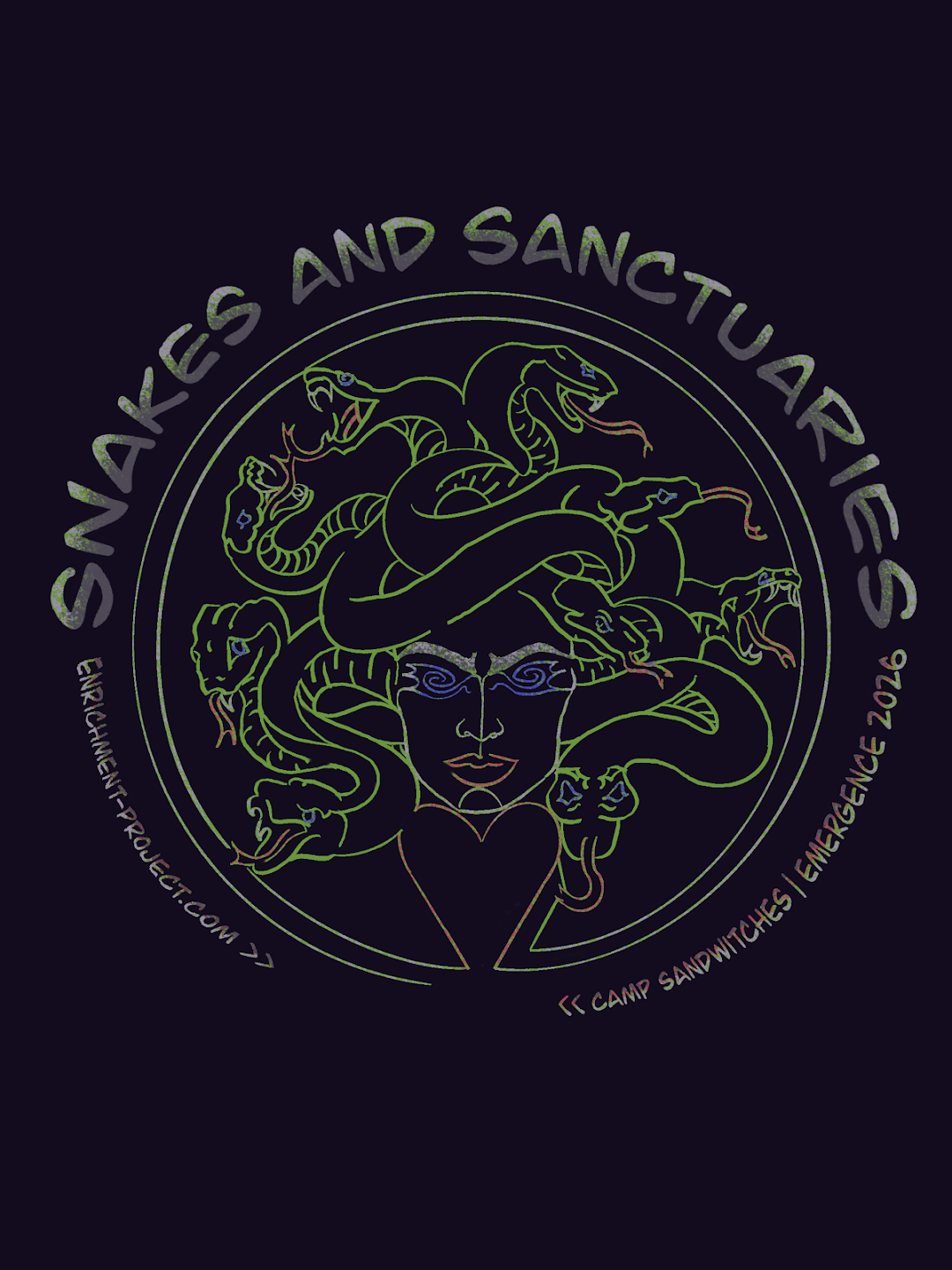
But what if Medusa is misremembered?
What if Medusa is not a villain, but a boundary response when something sacred is crossed?
On a good day, my snakes are the boundaries that create sanctuary. They rise to protect what is sacred. On a bad day, they spit venom. Poisoning self and others.
The more stress I find myself under, the easier those floodwaters rise, and in a world this complex — politically, socially, emotionally — swimming in stress could be a baseline state. No wonder Medusa rises from my sketchbook to meet this moment with unmistakable clarity. As an interactive art installation, she will exist in 3D space because the question of protection is an existential one in 2026, and the body must adapt to defend itself.
More recently, I found myself thinking of another mythic figure I’ve written about: Srin Mo, a primordial Tibetan goddess cast as a demoness when a king sought to expand his empire. Temples were built like acupuncture needles to pin her down to the craggy landscape, to contain what appeared as fearsome, insatiable, dangerous.
But Srin Mo is also an unmet need.
In my own work with what I call my “Shadow Shes,” I have come to understand that the parts of me that fight, flee, or freeze are not failures. They are voices asking to be heard. If I can invite these parts into the circle of myself — listen before they lash out — I recast demoness as guardian.
Srin Mo. Medusa. I am practicing what it’s like to see my inner Gorgon as boundary intelligence. I'm reminding myself a woman is worth more than her worst day.
Snakes and Sanctuaries is a labyrinth shaped like Medusa’s head as placed on Athena’s shield, Aegis, her serpents curling into pathways, her gaze, spiraling. There are two routes: one that moves directly into the heart before circling outward, and one that establishes the perimeter before approaching the center. Heart first teaches awareness of feeling. Perimeter first teaches the action of boundary maintenance. Neither is superior. Both are valid strategies the nervous system can deploy.

At the center of the heart sits Mist Emotions, a grounding station I have brought to other burns.
Lavender mist. Water infused with black tourmaline.
At night, a glowing vapor fills the heart with illuminated fog.
Water freezes. Water melts. Water rages. Water floods. Water soothes. Water evaporates.
The element that once overwhelmed changes state to become a self-regulating tool.
I walk labyrinths as self-regulation. They’re not mazes, with false turns and dead ends, but one long path with one way in and one way out. Snakes and Sanctuaries is a processional pattern, where the only way forward is through.
And yet this year, another phrase arrived as I worked: The only way forward is you.
This reframes flooding entirely for me. If I feel attacked, what do I need? If I freeze, what restores choice? If my snakes rise, what are they protecting?
To support this work, I have created a yin yoga practice to accompany the installation. The flow is structured around six crystalline moments:
Awareness begins with 3-2-1 grounding. Three colors. Two sounds. One texture. A return to the body.
Shield ignites a sanctuary boundary to contain what is sacred.
Discernment asks what is actually happening beneath the surge. This unlocks new frames like: What is freeze, and what is calm? They can be different interpretations of similar body signals, just like anxiety and excitement.
Detox invites the liver, the gut, the twisting spine to metabolize the chemical torrent of fear, anger, grief, vigilance. Flooding is not a single clean emotion. It is a toxic cocktail. The body knows how to sort and process — if I give it time.
Thaw allows sensation and agency to return without force.
Integration closes the practice in Savasana, reminding me that flooding is not failure. It is information.
I do not know how it will feel to walk this labyrinth when fully built, nor do I want to dictate how anyone else should experience it. Interactive art is a collaboration, after all. The mirrors near the exit will reflect the walker, the pattern behind them, and what they see is theirs alone.
But I know this: boundaries are sacred, and the sacred is only possible because of boundaries.
You are worth more than your worst day.
When the flood rises, may you recognize it.
When the snakes lift their heads, may you thank them.
When you meet yourself in the mirror, may you remember:
The only way forward is you.